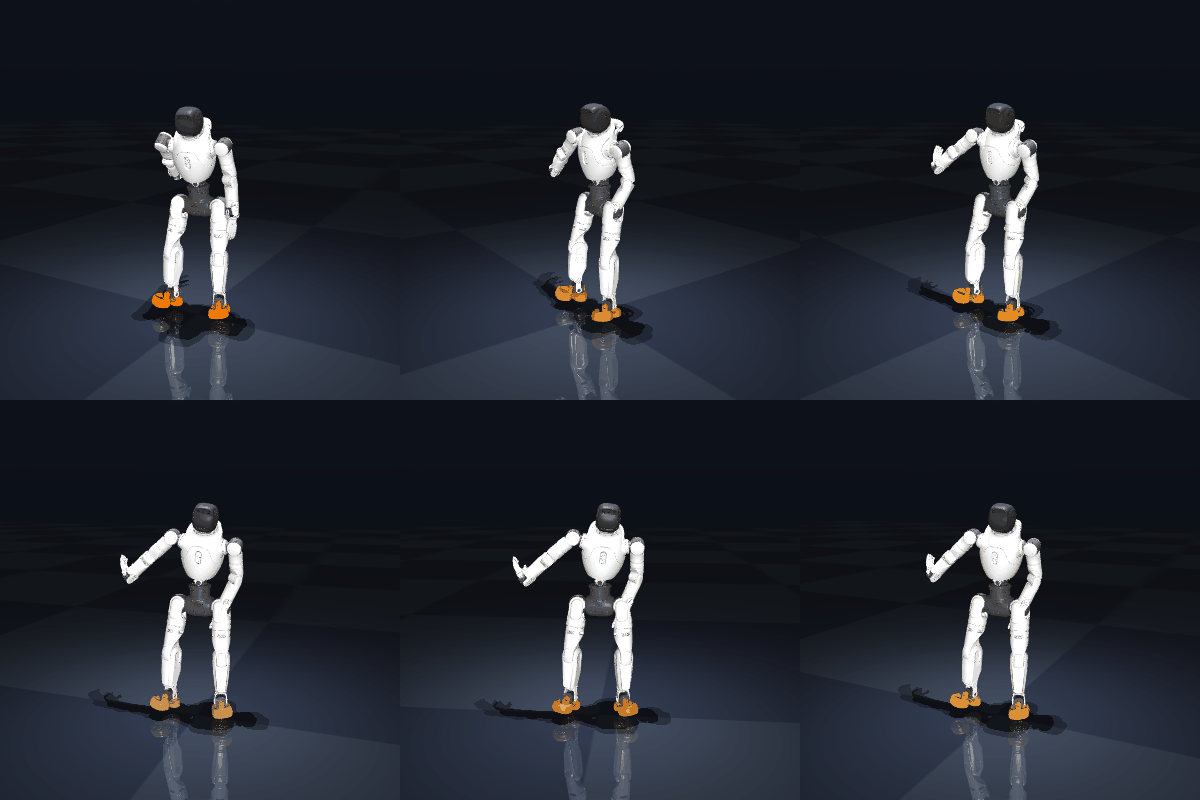
Porting NVIDIA SONIC (whole-body motion tracking) to the AgiBot X2 Ultra (29 DOF, head-fixed, joint-aligned 1:1 with the Unitree G1). The policy is warm-started from the released G1 checkpoint; the bet for generalization is data diversity — retargeting the full BONES-SEED human-motion corpus onto X2, not just locomotion.
Human motion (SMPL) is retargeted to X2 with GMR (per-frame inverse kinematics). We wired X2 into GMR as a first-class robot (MJCF + tuned IK config with the wrist fix + registration) and confirmed the pipeline reproduces the team's production x2_native_v3 dataset.
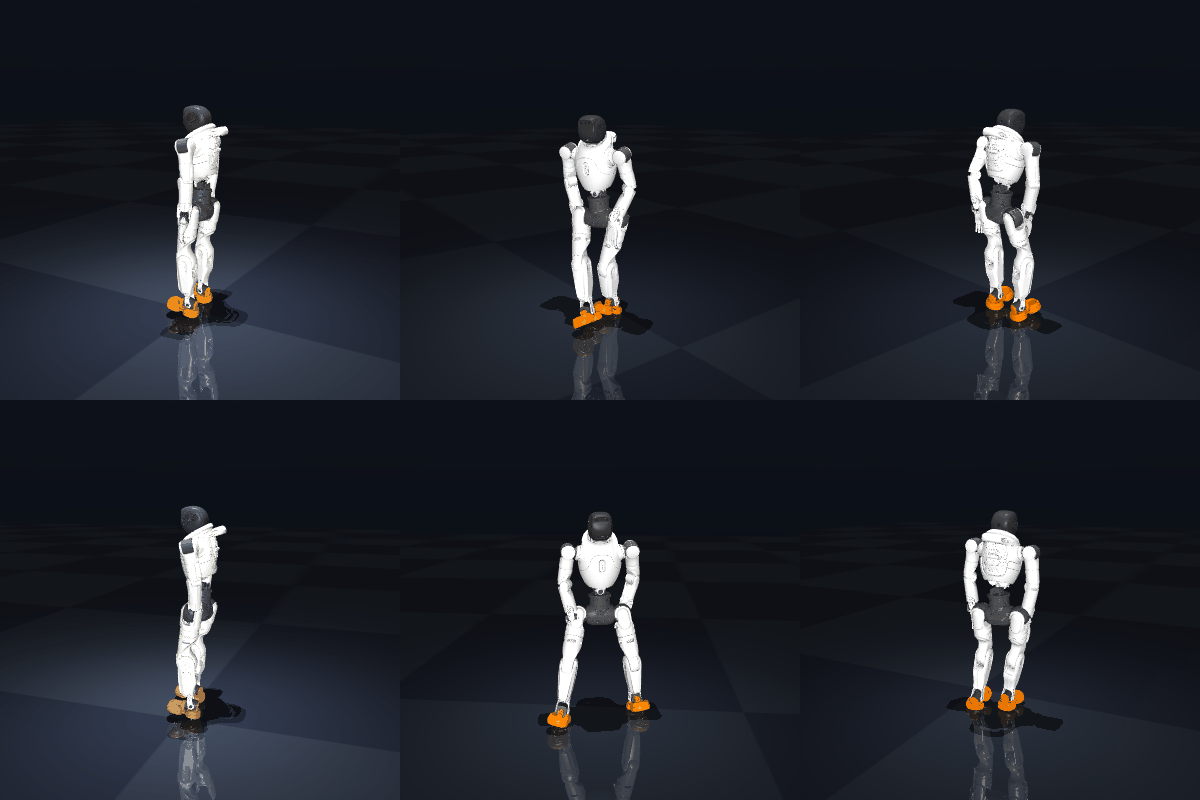
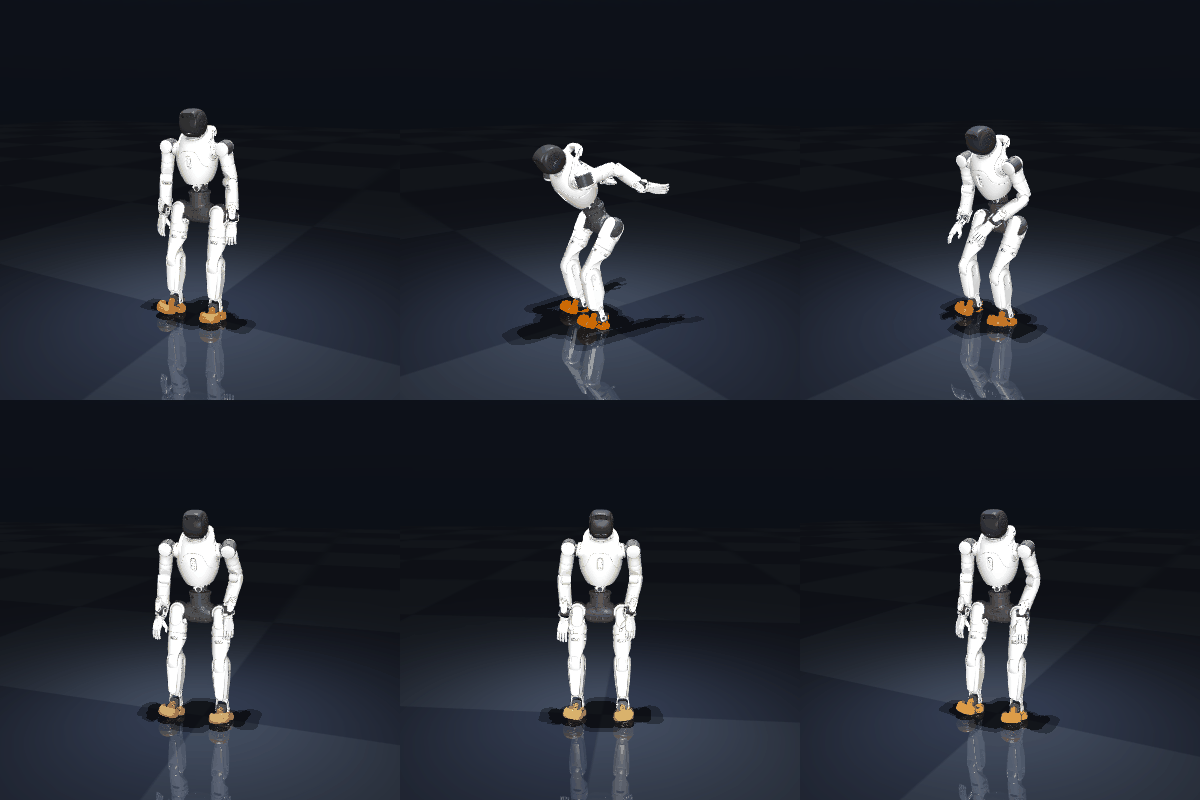
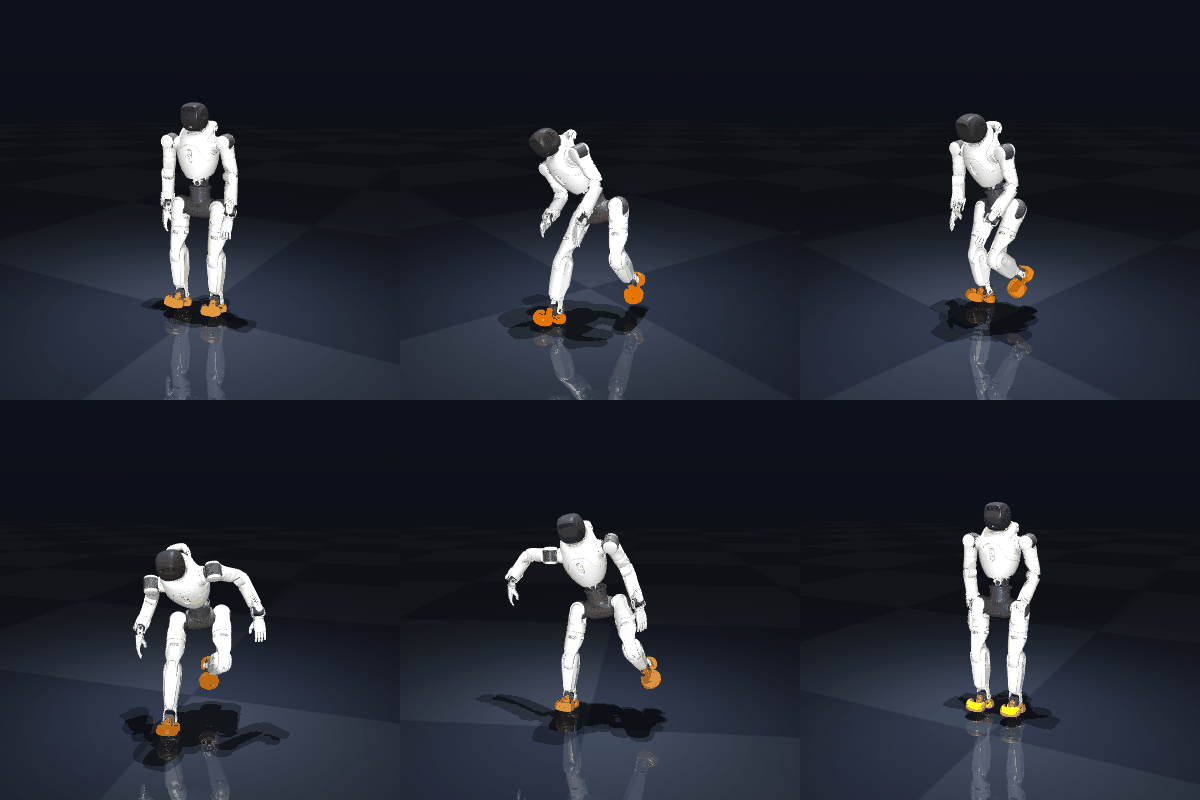
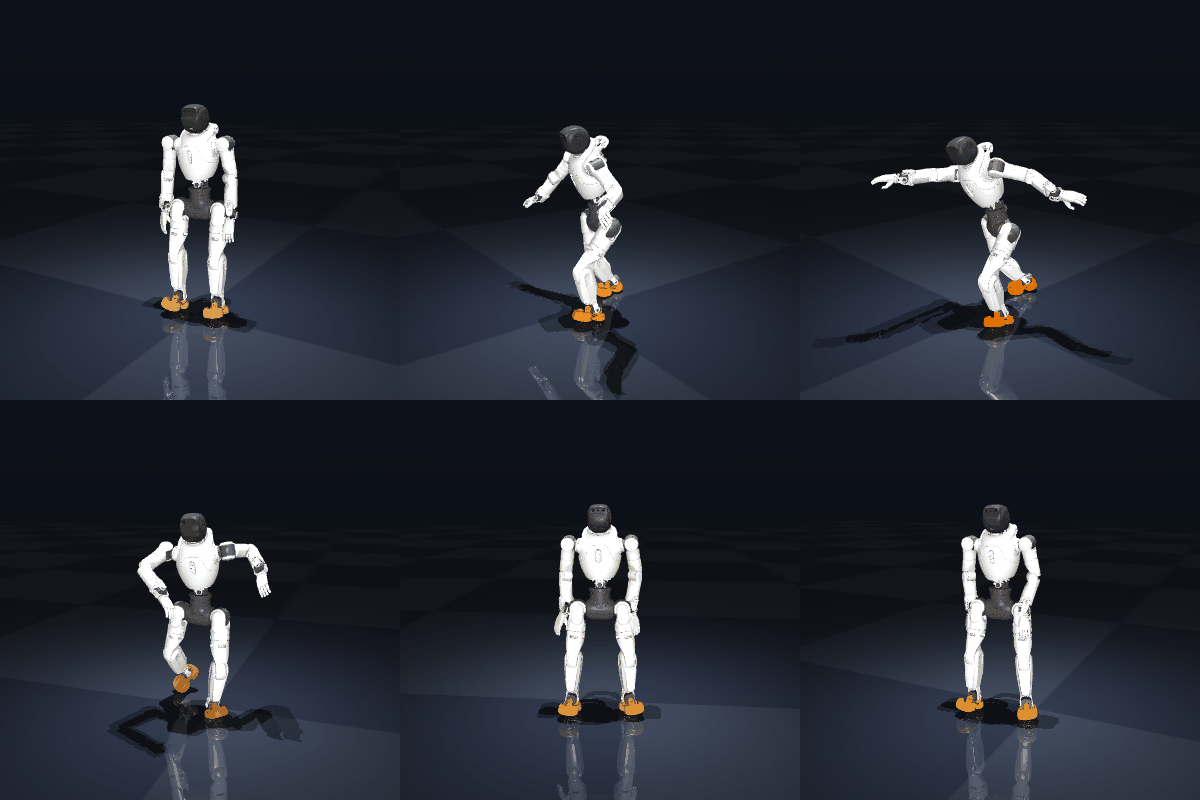
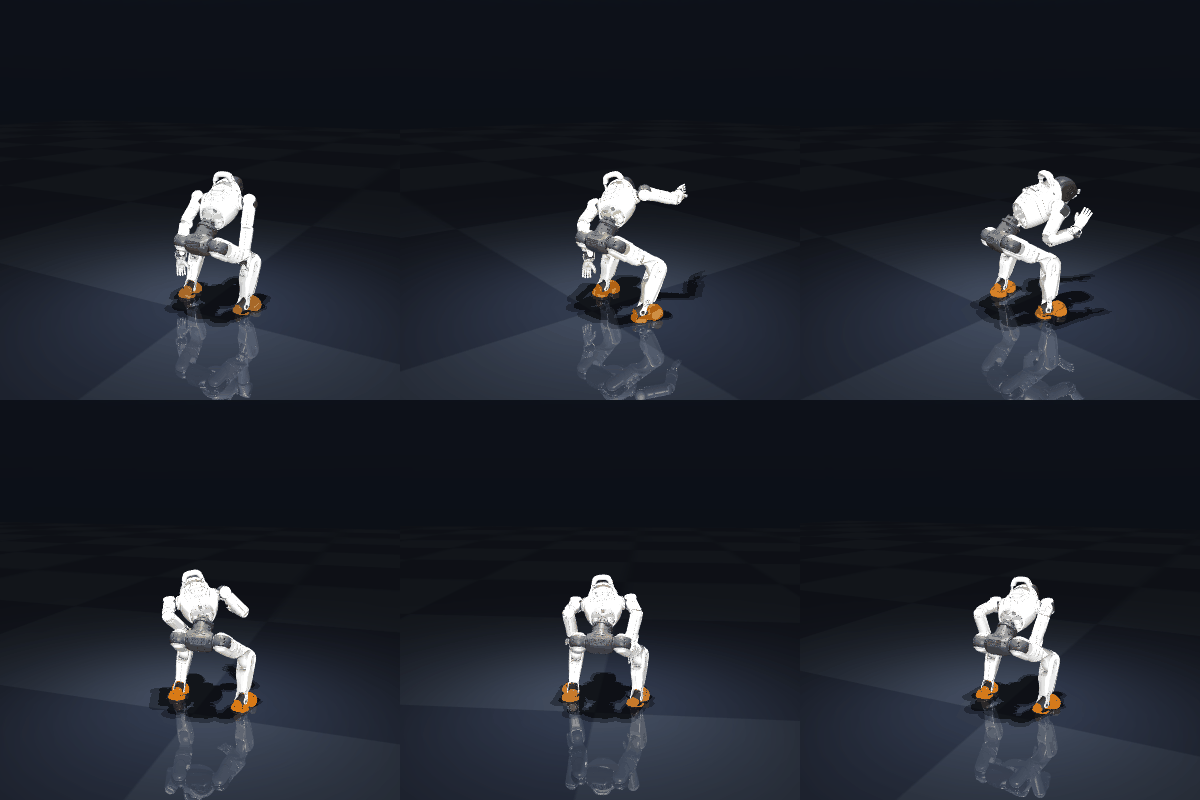
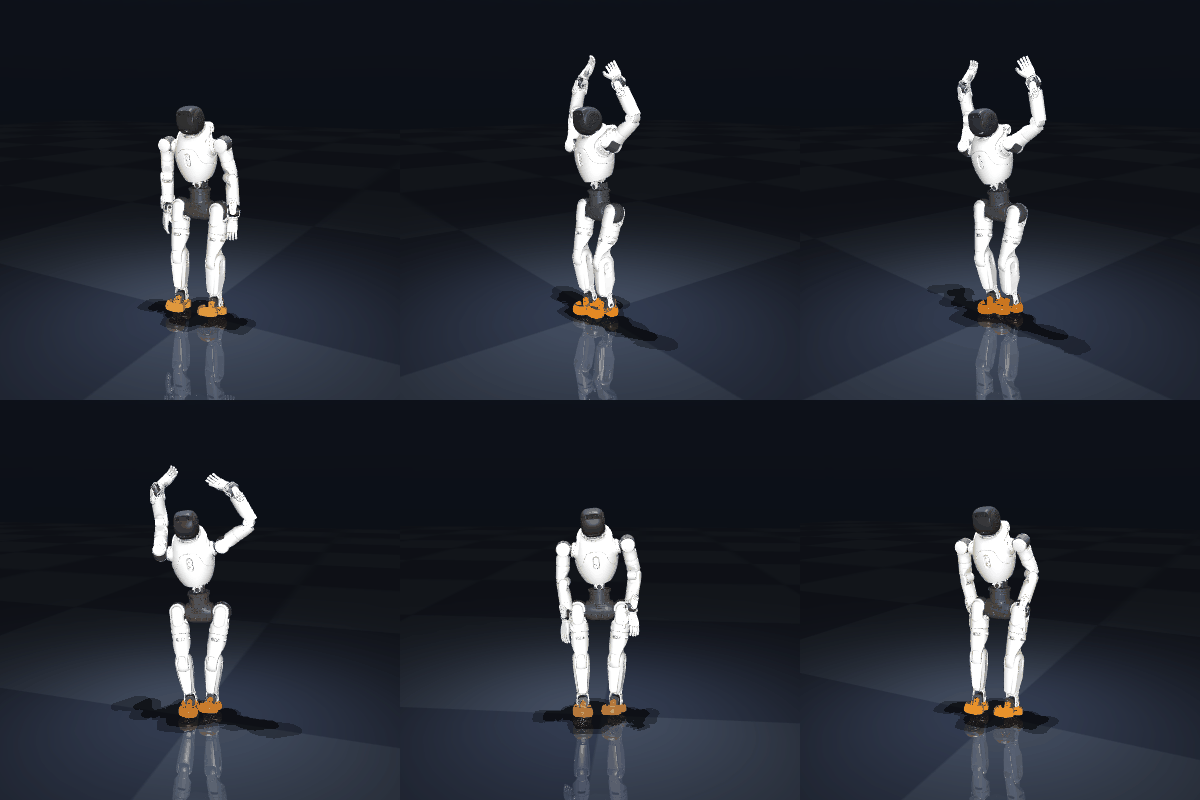
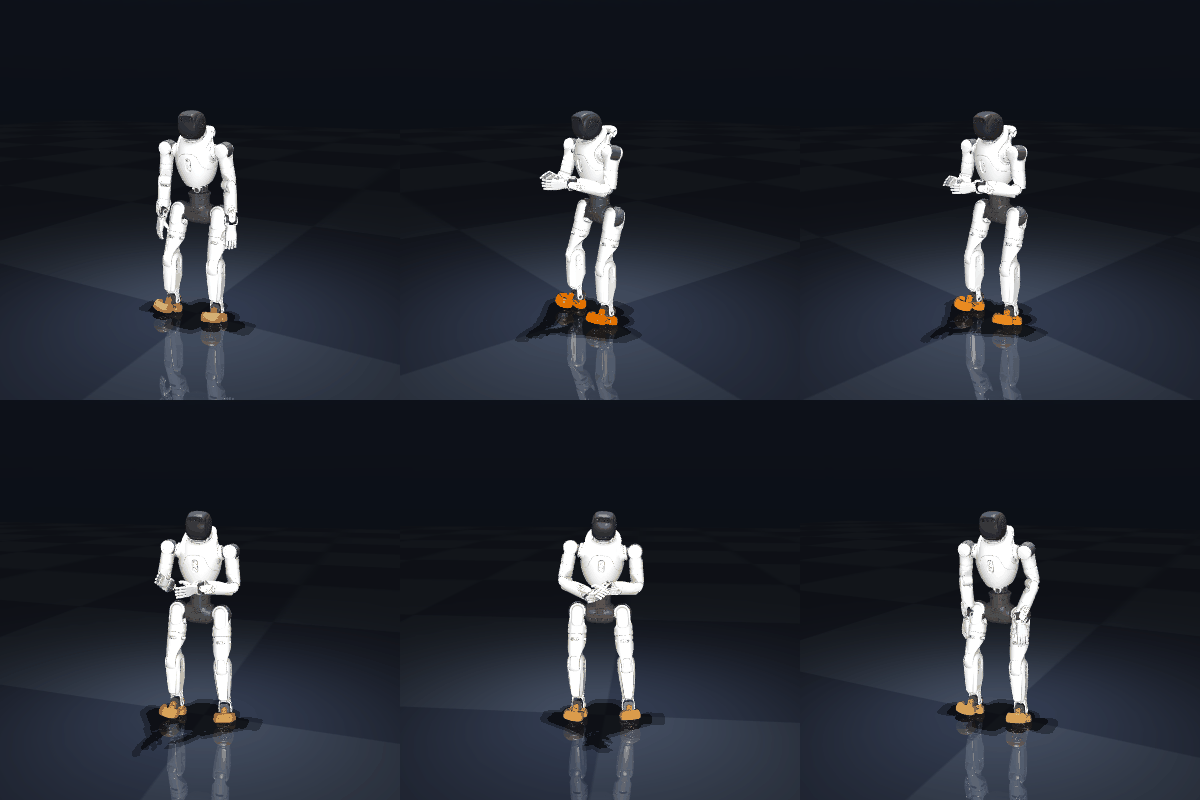
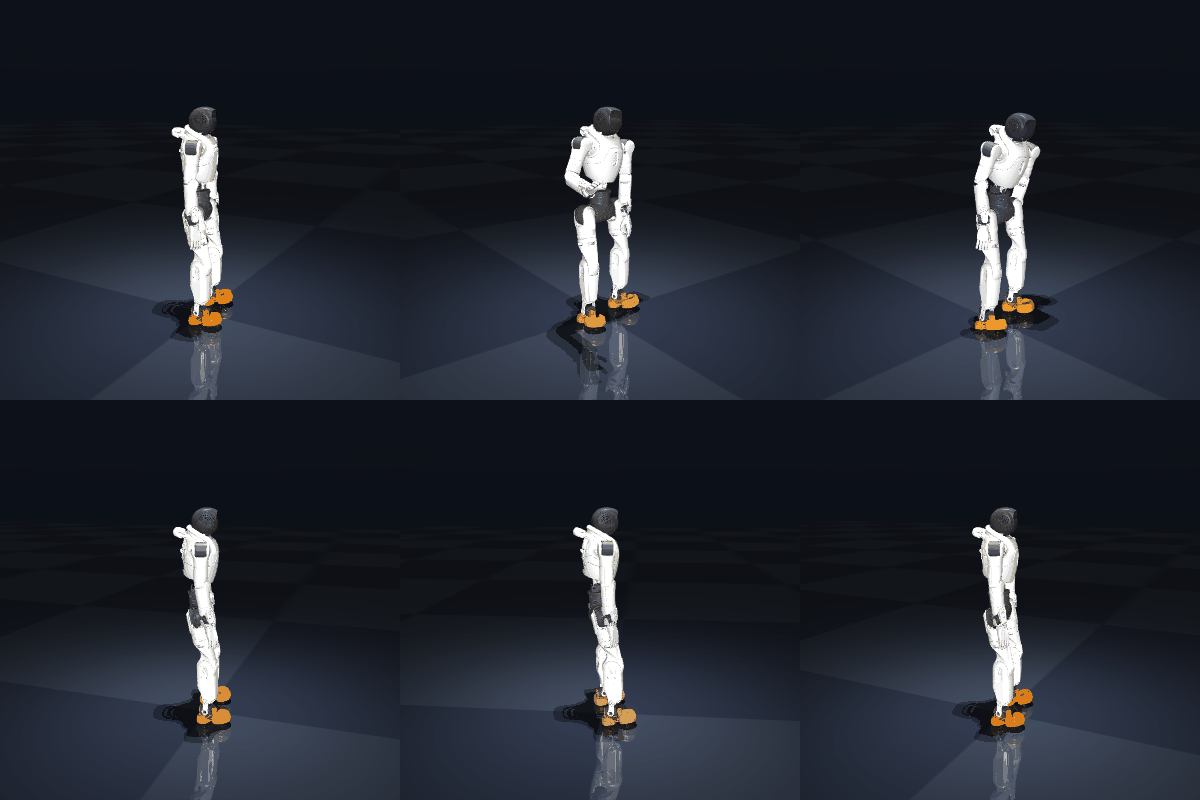
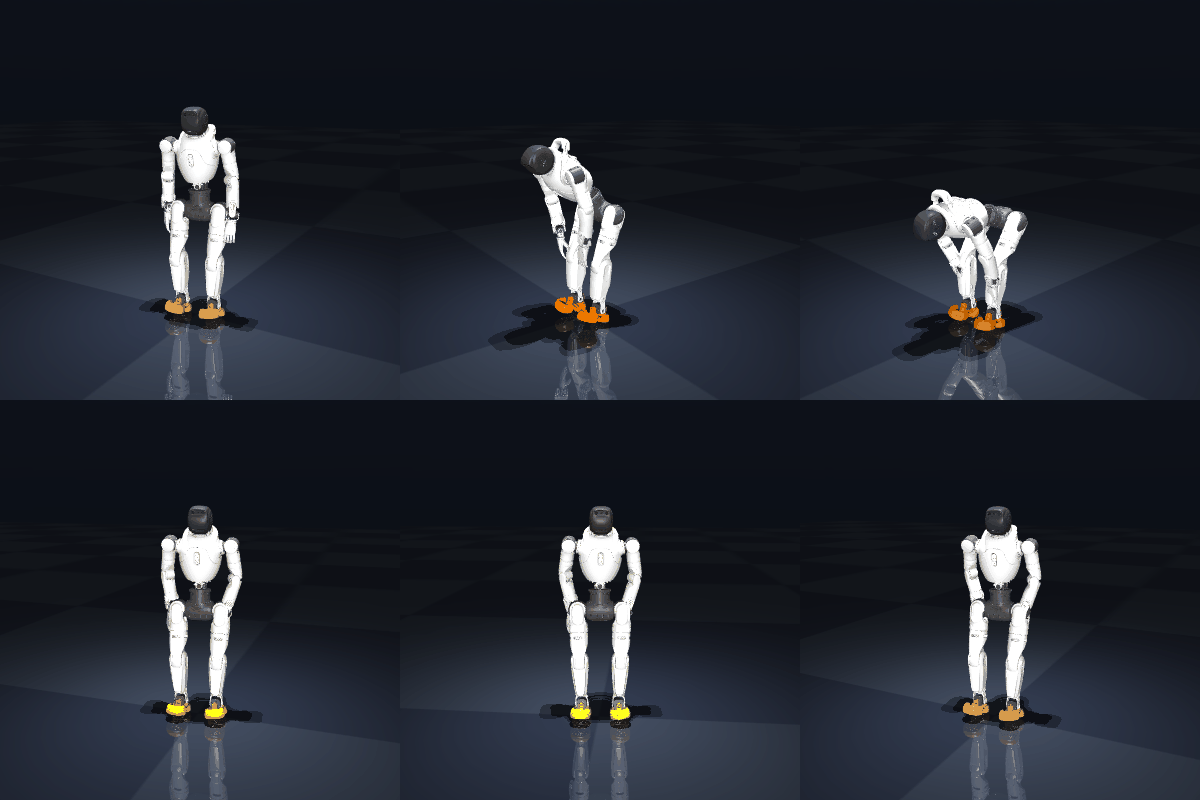
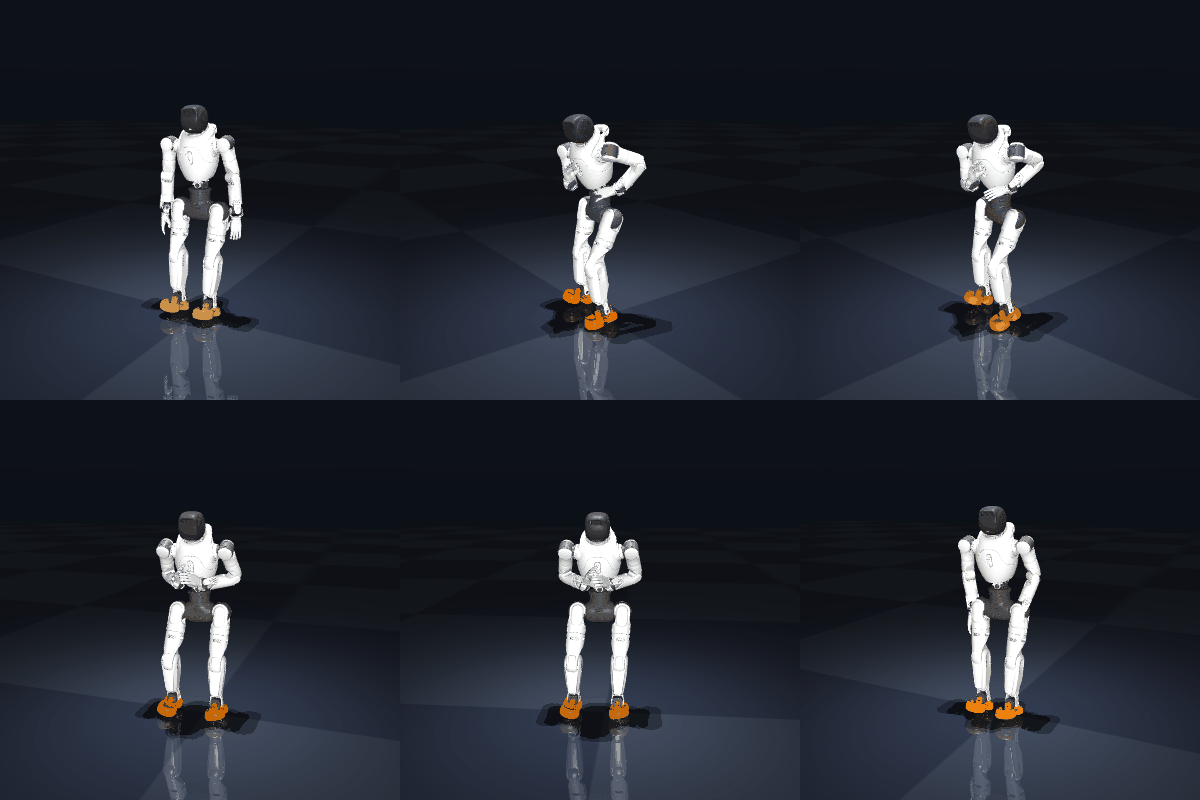
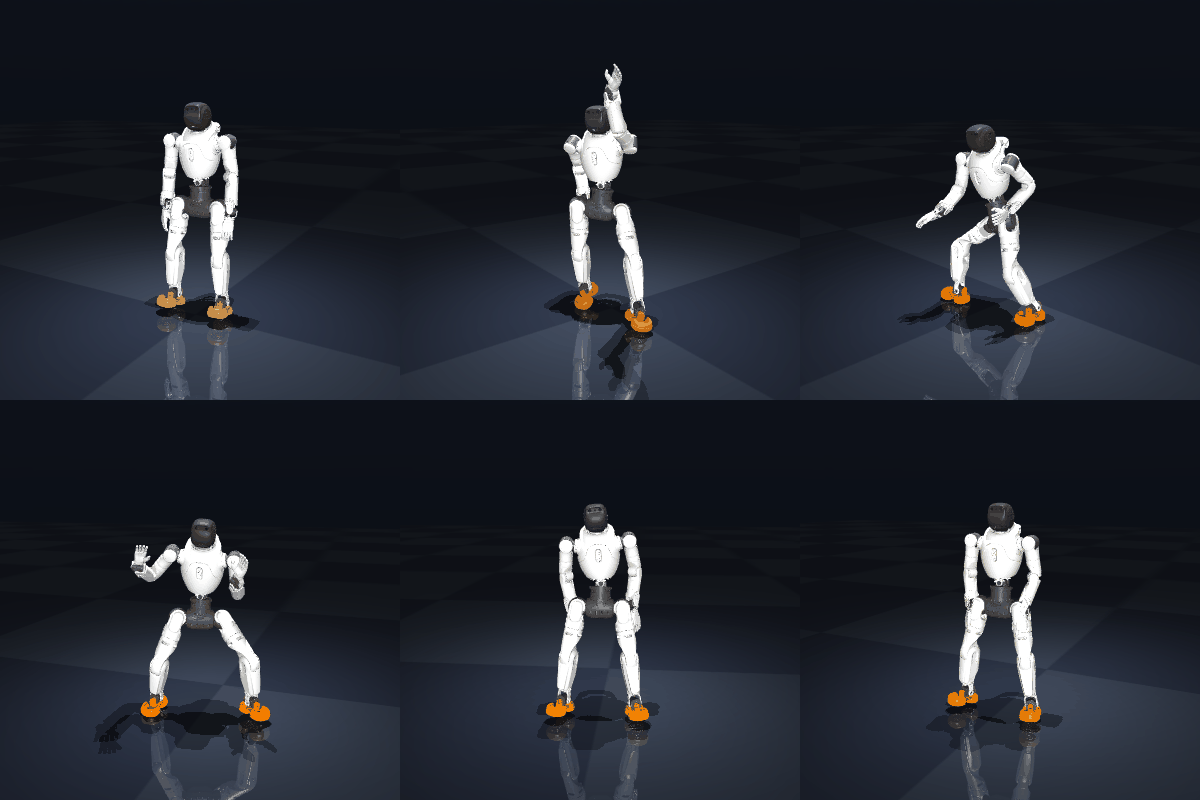
The retargeted result rendered on the actual X2 mesh (MuJoCo). Eleven clips spanning the corpus — locomotion, a jump, several dances, a two-hand lift, a crouch-and-operate, exercise, and gestures — showing the same diverse human motions driving the real robot. The head is welded (fixed joints, 29 DOF) with its real 1.72 kg mass, matching the training URDF; GMR retargeting is kinematic, so the data is unaffected by head mass either way.
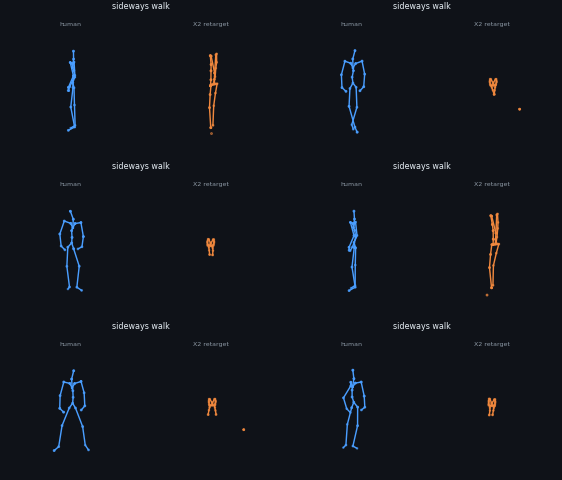
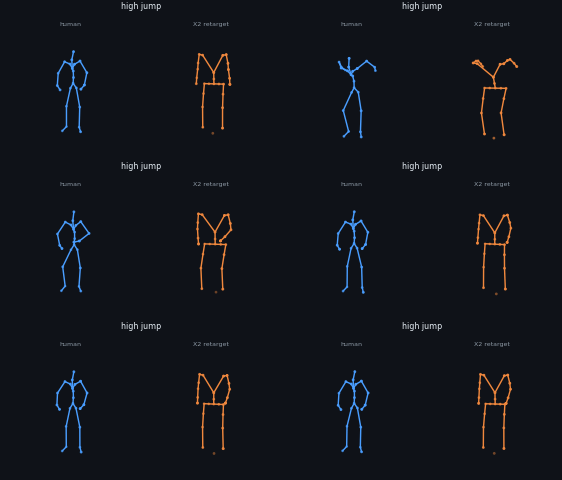
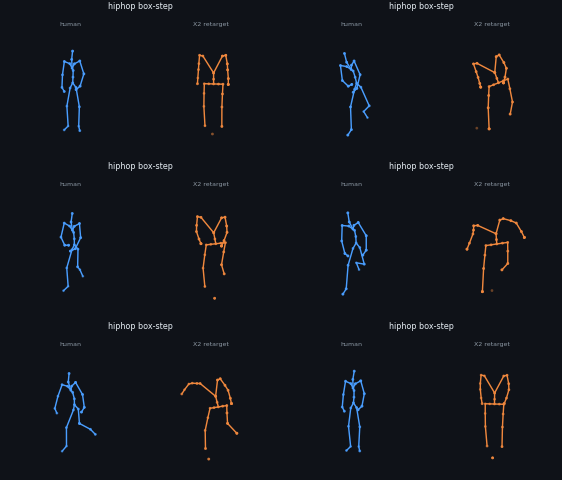
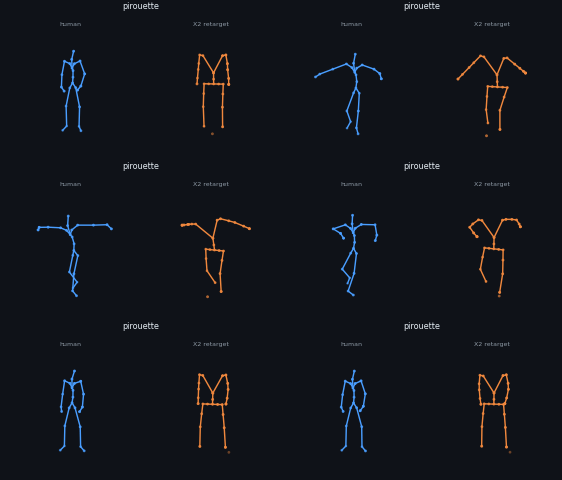
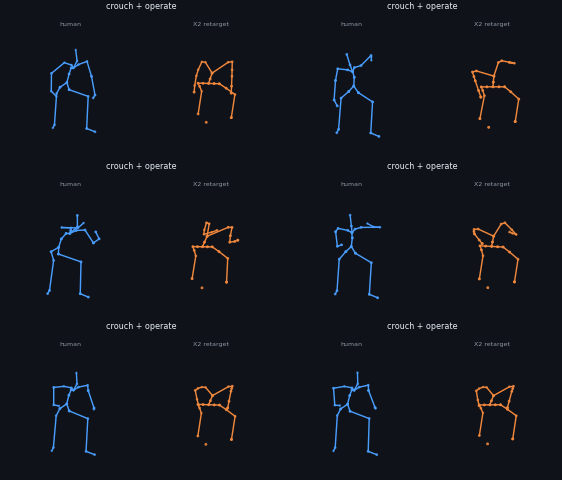
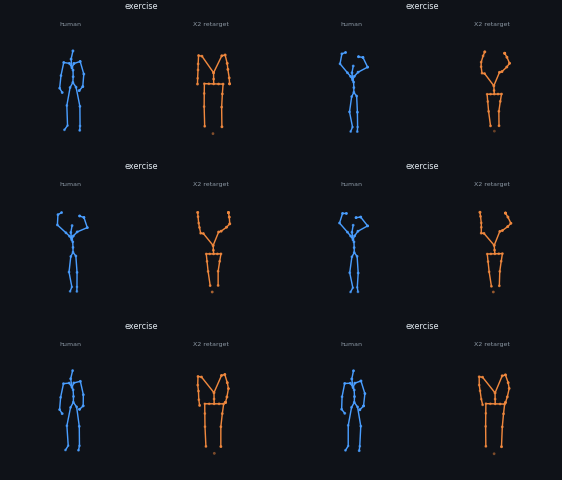
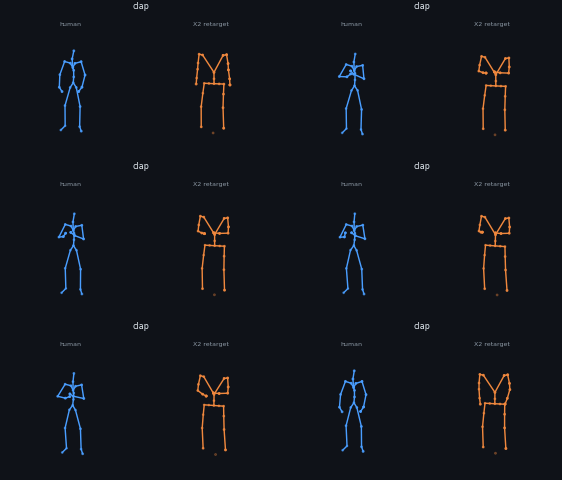
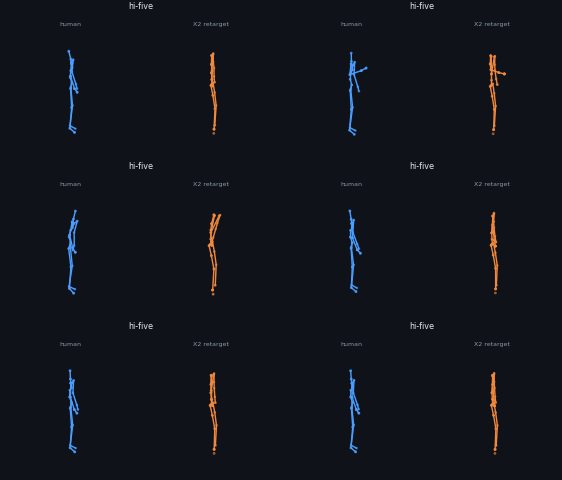
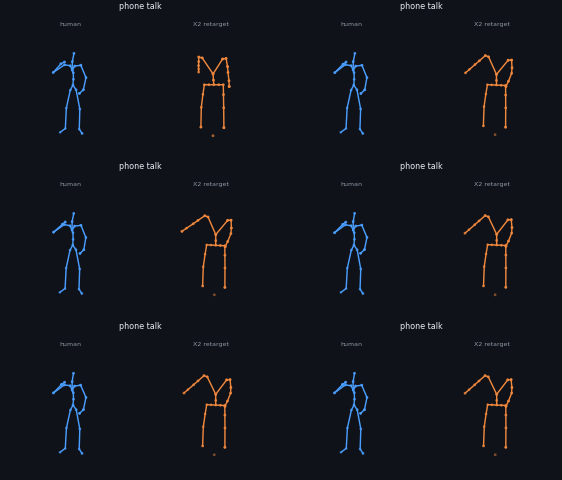
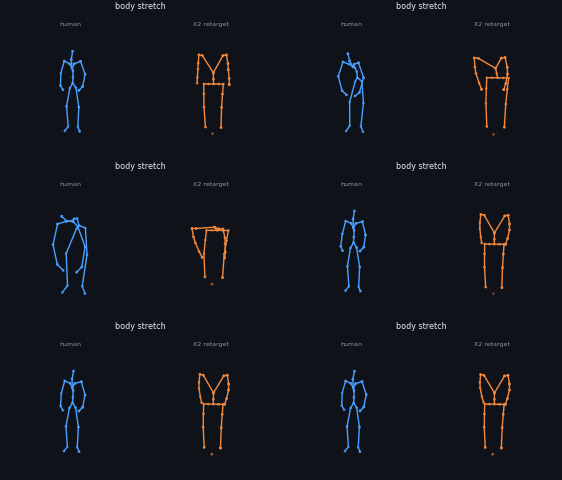
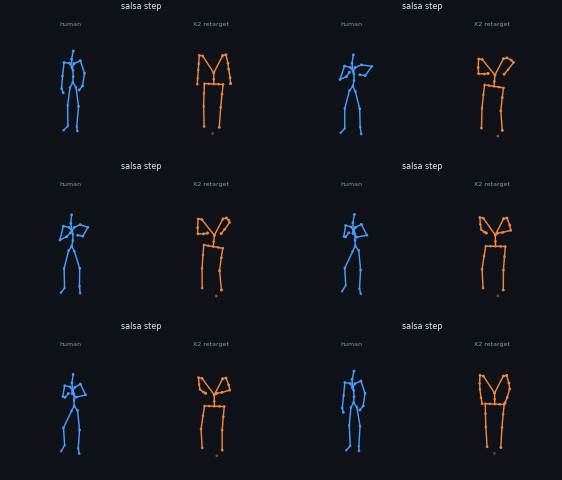
Skeleton view of the same clips: left = human SMPL source, right = retargeted X2 joints. The legs and torso transfer cleanly; arm fidelity is bounded by X2's real embodiment limits (shoulder adduction ~3°).
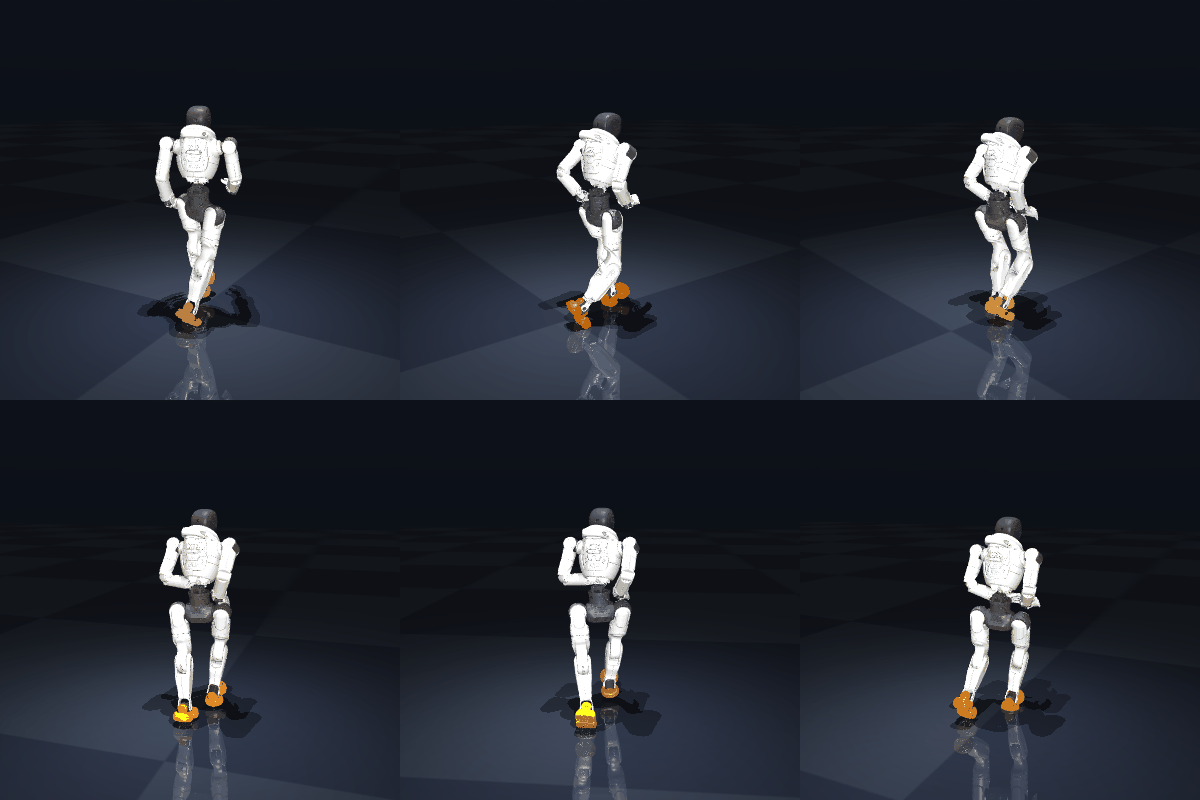
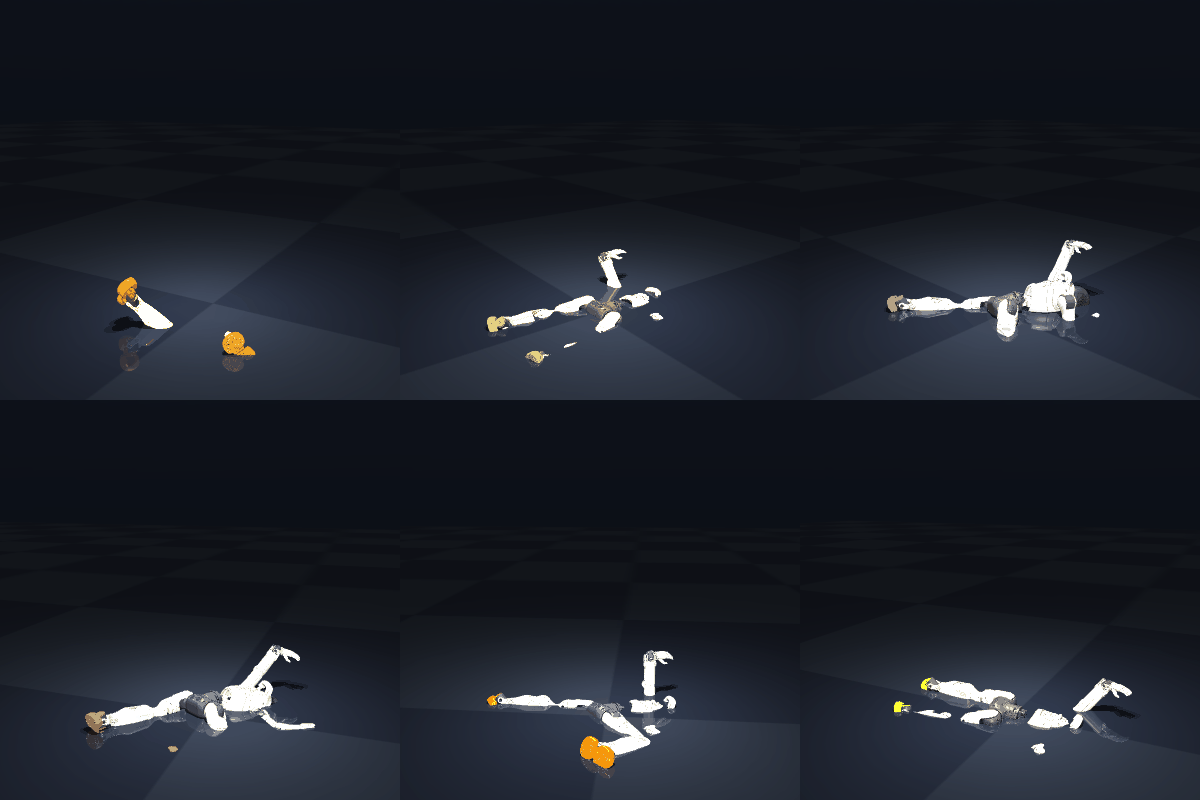
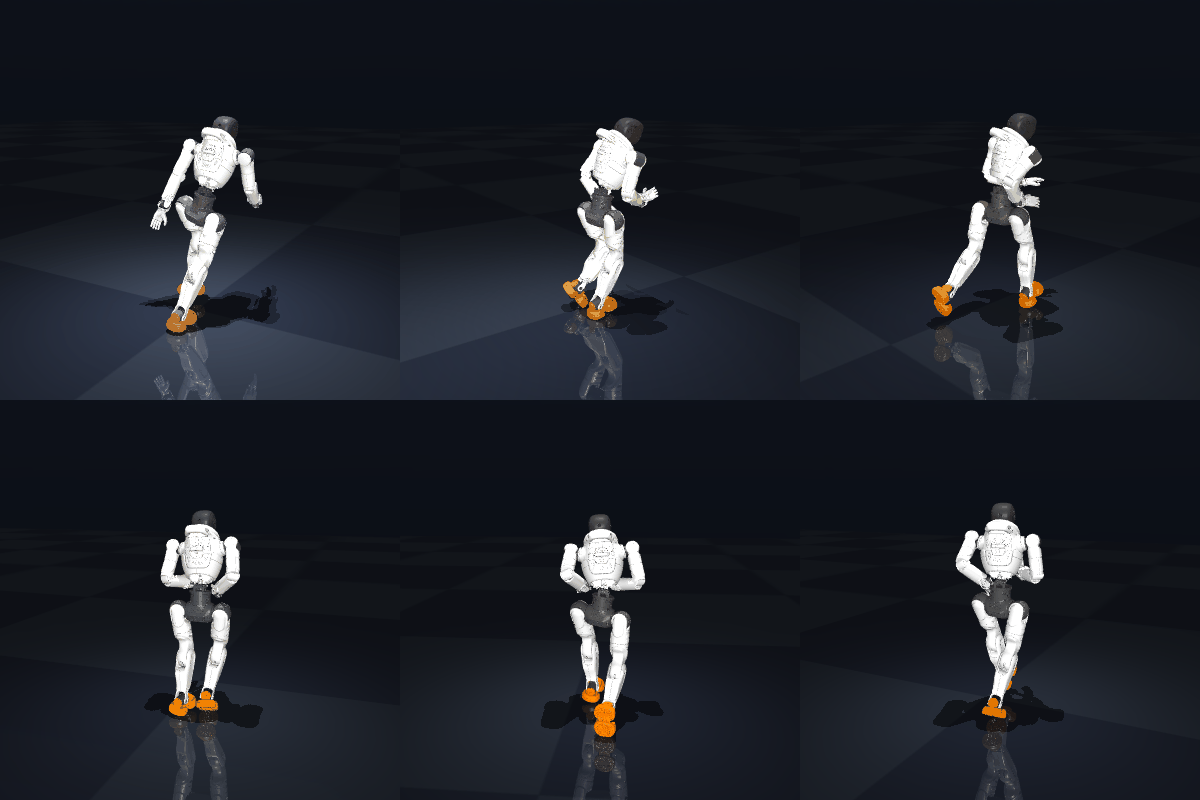
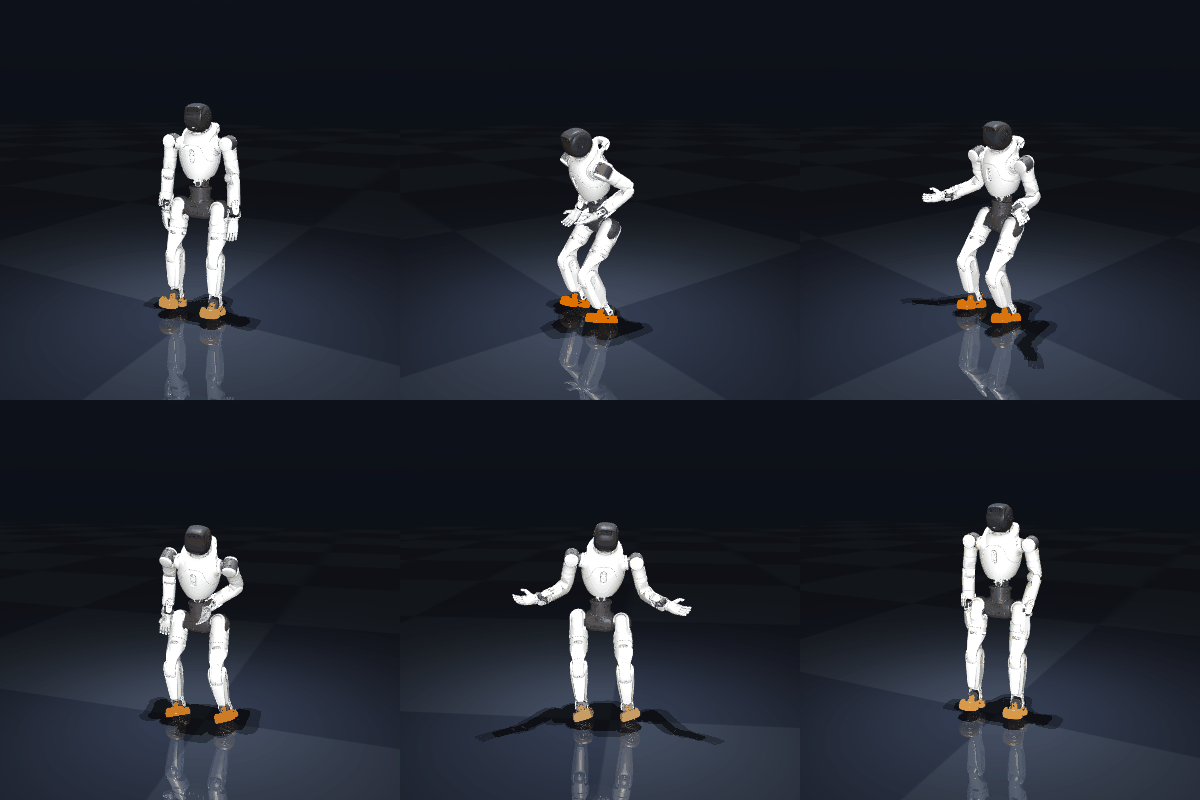
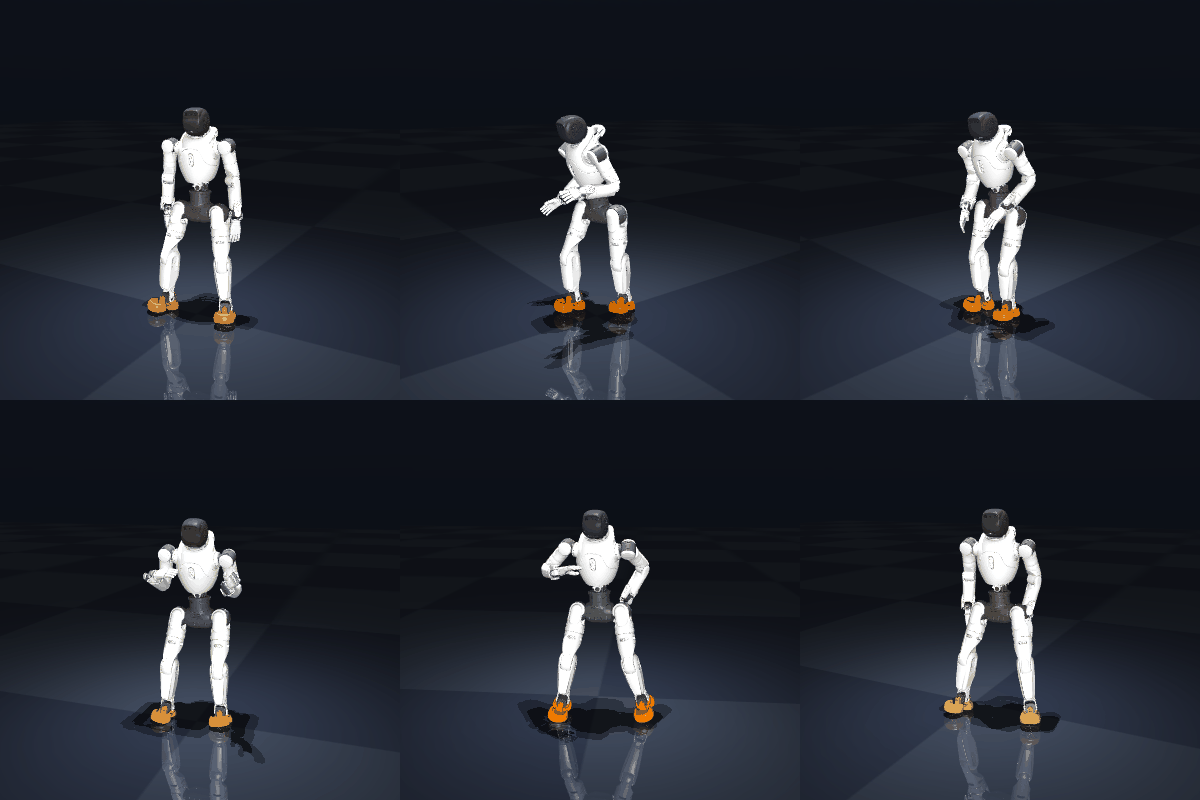
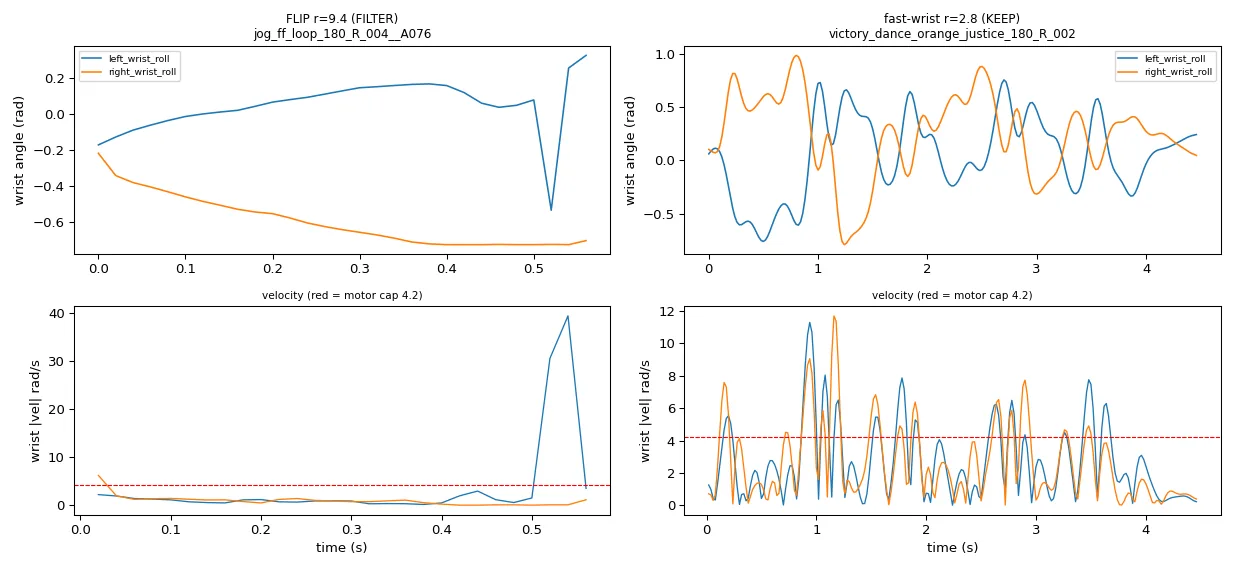
The distinction is discontinuity, not speed. A retarget flip is an isolated velocity spike (a joint teleporting through its range in one frame — physically impossible). A fast dance drives the wrist past its small motor's speed cap, but smoothly — that is the legitimate fidelity ceiling SONIC is built to handle, so it stays. We verified both ends: the wrist-angle/velocity traces below show the flip (left, isolated 40 rad/s spike) vs the fast dance (right, smooth sustained oscillation).
Removed — flips (red border):
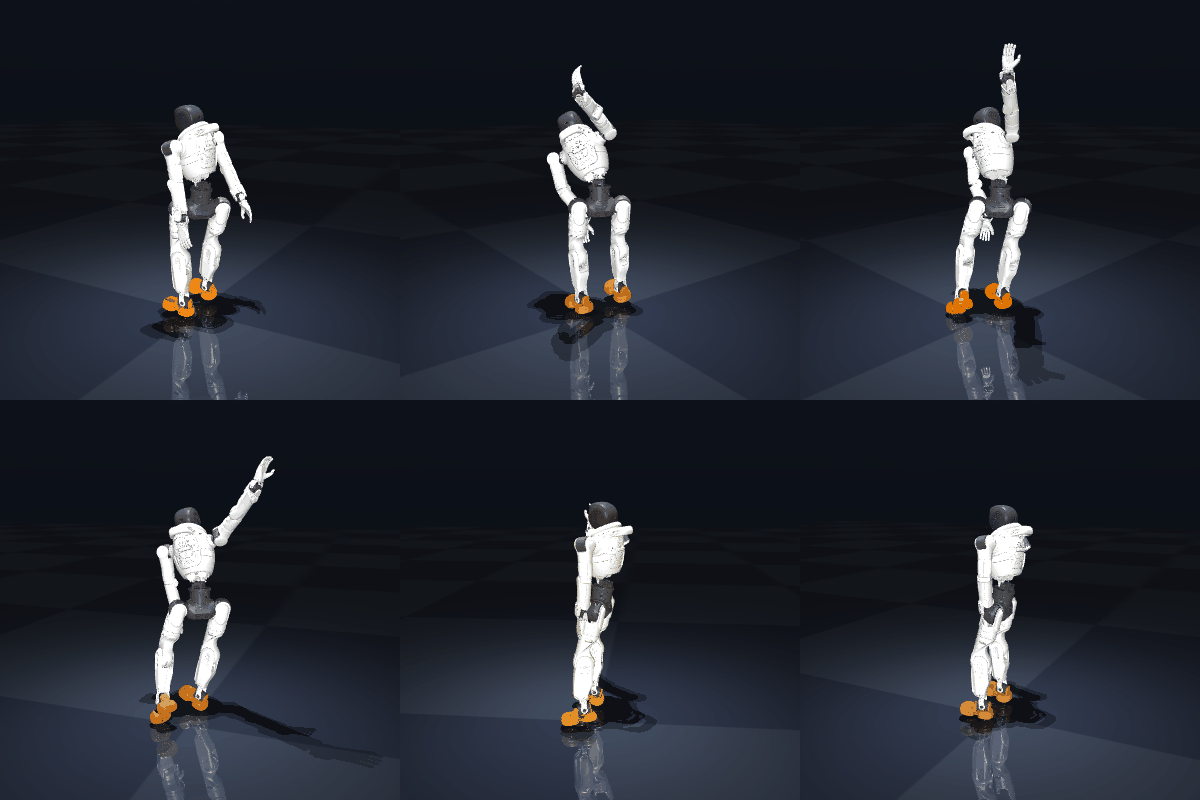
Kept — fast-but-smooth (green border):
x2_native_v3 to 1.28° mean per-joint and 1 mm root position — field-by-field over 304 frames.Field-by-field difference vs the v3 ground-truth entry for walk_ff_stop_360_003__A071:
| field | mean |diff| | max |
|---|---|---|
| dof (29 joints) | 1.28° | 9.7° |
| root_trans_offset | 0.001 m | 0.013 m |
| root_rot | 0.002 | 0.021 |
| pose_aa | 0.42° | 9.7° |
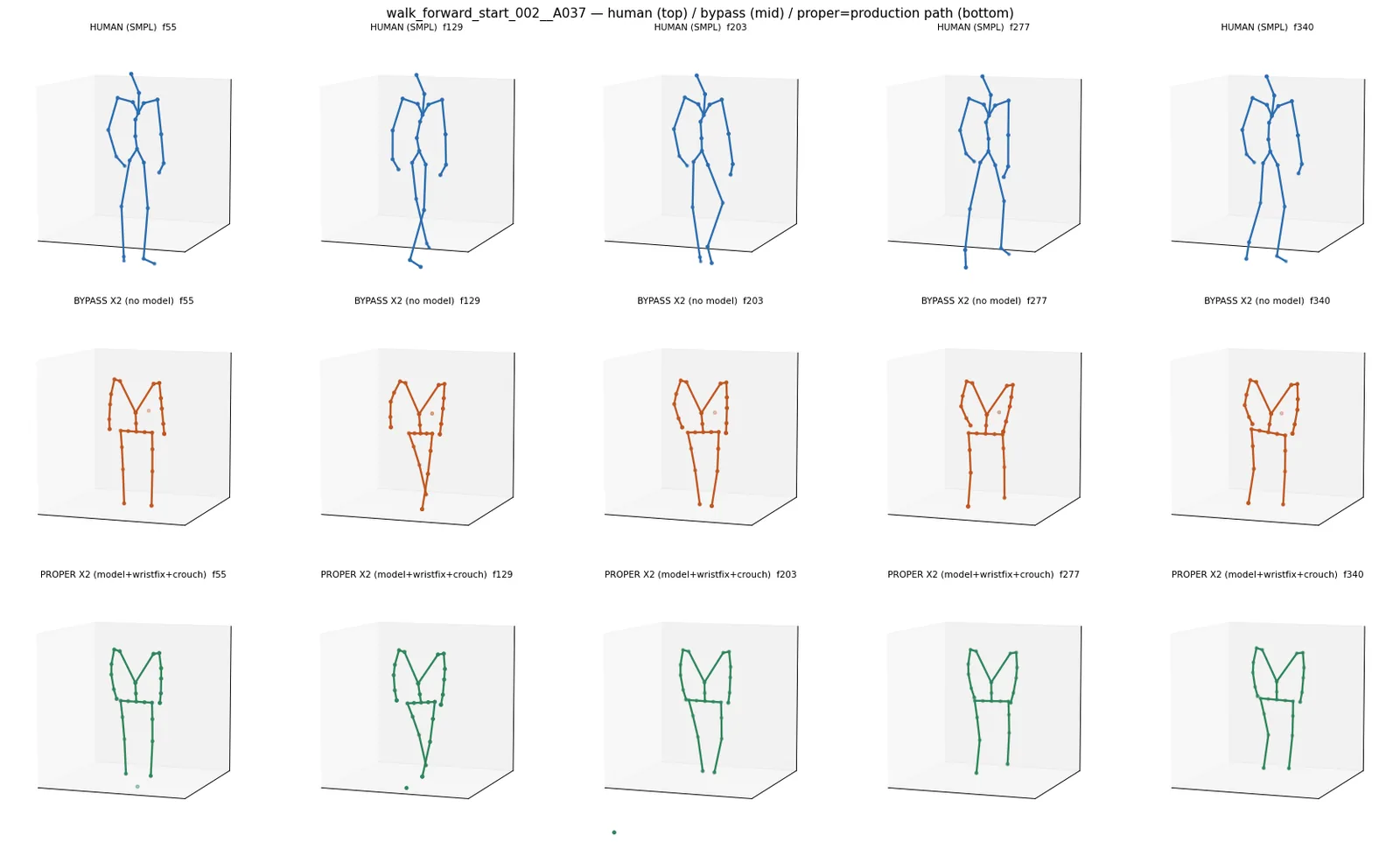
Residual (mostly wrist/shoulder yaw) comes from a minor SMPL-X model serialization + MuJoCo version difference — negligible. Below: human source vs a no-model bypass vs the production-faithful path (legs match to ~4°; the bypass diverges on arms by ~18°, so real data uses the production path).
| metric | value |
|---|---|
| Source corpus (NVIDIA-filtered BONES-SEED) | 131,455 clips = 65,748 unique + 65,707 mirrors |
| Retargeted (unique) | 65,425 clips |
| After quality gate (flips removed) | 61,677 clips (94.3%) |
| Category mix (unique) | 52.6% locomotion + dance / manipulation / sport / gesture / everyday |
| Throughput | ~4 clips/s @ 120-way → full corpus in ~4–5 h |
| Per-entry size | 108 KB → ~7 GB full corpus |
Mirrors are left-right flips — generated by reflection rather than re-retargeted, so only the 65k uniques go through GMR.
basis64_5000 on the diverse corpus.